

This article was originally published at LifeNews.com.
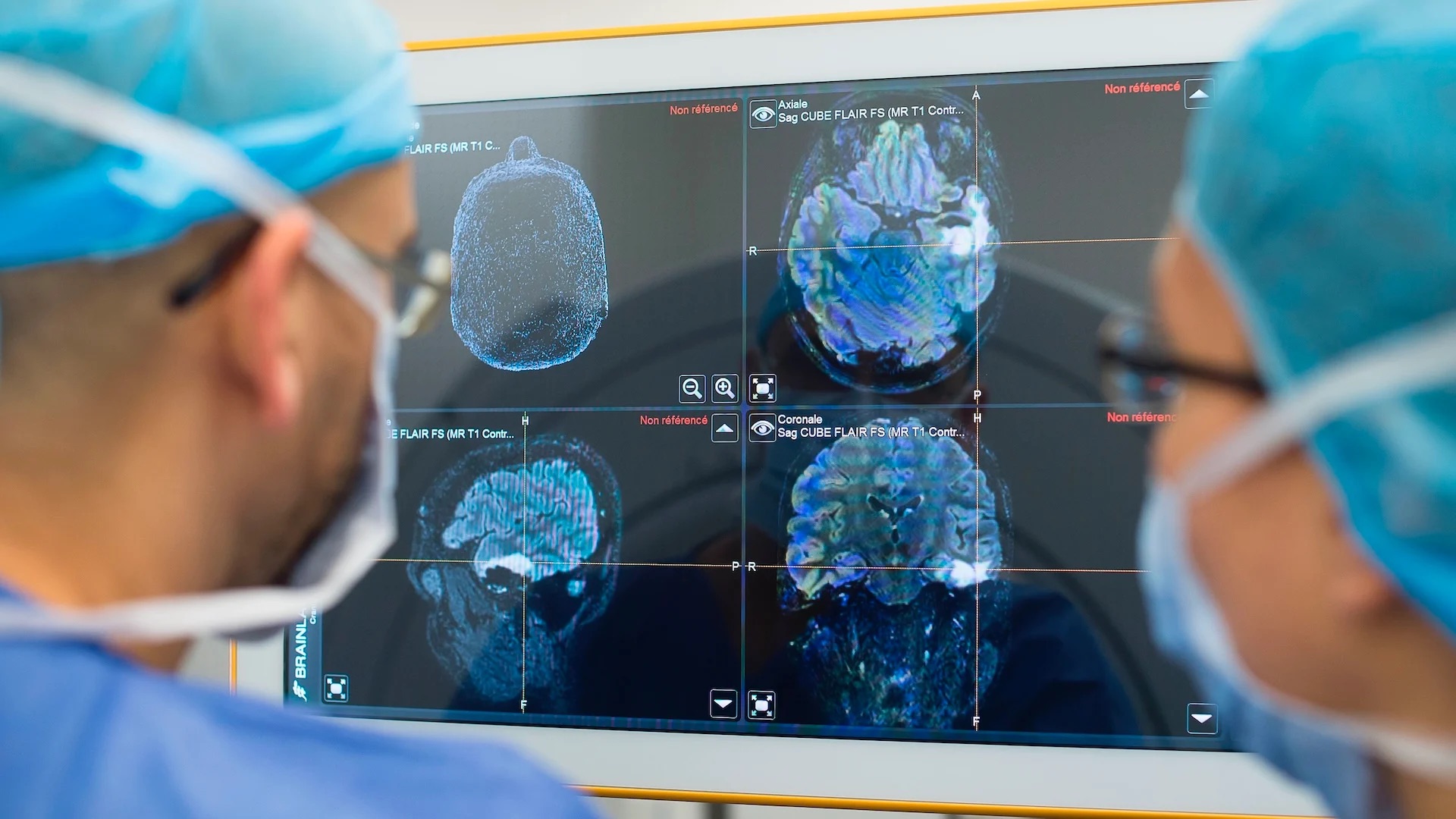
On May 13, the Journal of Neurotrauma published a seven-year study involving 1,392 patients who sustained traumatic brain injuries and were admitted to intensive care units across 18 U.S. trauma centers. The conclusions should trouble all Americans, as they reflect the current dismal state of our healthcare system and demonstrate how it victimizes the medically vulnerable.
The researchers found that patients who received a poor recovery prognosis had their life-sustaining treatment withdrawn within days of experiencing their brain injury. However, the study revealed that 40% of patients who did not have their treatment removed recovered with at least some independence. In other words, a rather large percentage of patients who were given the time and opportunity to recover were able to do so.
The encouraging and significant Neurotrauma report followed two similar studies, one published in JAMA Neurology (July 2021) and the other in the American Academy of Neurology (April 2022), which essentially reached the same conclusions: people experiencing a brain injury and the decisions to stop life-sustaining treatment are happening too quickly.
Indeed, the JAMA report suggested new guidelines and proposed that patients should be given at least one month before any decisions to stop treatment are discussed.
Sadly, this validates what the Terri Schiavo Life & Hope Network - a patient advocate non-profit organization established by my family in 2005 - has been saying since its founding nearly 20 years ago: each patient’s brain injury and recovery is unique, and time to heal is a vital ally in this recovery process that must be afforded before an irreversible decision is made.
However, we live in a world - particularly within the medical establishment - that has been characteristically infected by a nihilistic virus, ignoring ethical tenets that recognize a patient’s inherent human dignity and thus violating the principle of “do no harm.”
This utilitarian worldview has a history of victimizing the medically vulnerable, most flagrant in the early 1940s—before the Holocaust, when German physicians created the T4 Euthanasia Program, killing an estimated 200,000 people because of their physical and mental inferiorities.
This was not the first instance in modern history of a program targeting those with disabilities taking root. United States Supreme Court Justice Clarence Thomas brilliantly summarized how the eugenics movement, which took place 20 years before the T4 Program, was a “full-fledged intellectual craze” undermining the American education system, as the principles driving this movement were taught at 376 universities and colleges.
In his concurring opinion in Box v. Planned Parenthood of Indiana and Kentucky, Inc., Justice Thomas documented a U.S. campaign that singled out specific people, such as “the ‘feeble-minded,’ ‘insane,’ ‘deformed,’ ‘crippled,’ ‘diseased,’ ‘blind,’ ‘deaf,’ and ‘dependent (including orphans and paupers).’”
Eugenics did not end with the defeat Nazi Germany. In the 1970s, the bioethics community began redefining what it meant to be a “human person,” promoting a new belief that there is such a thing as a “human non-person.”
In his 1975 writing “Indicators of Humanhood”, published in the highly regarded Hastings Center Report, bioethicist Joseph Fletcher argued that two types of people exist: those who are “truly human beings” and the “subpersonal”, unfortunate souls who possess capacities that are considered subsidiary.
Fletcher introduced fifteen “criteria or indicators” to validate an individual’s moral worth or humanhood; these were essentially benchmarks used to delineate someone as either a “person” or a “non-person.”
The march of “progress” continued into the 1980s, when bioethicist Daniel Callahan proposed that the administration of food and water via feeding tubes should not be considered “basic care”. He argued that this change was needed because “The denial of nutrition may become the only effective way to make certain that a large number of biologically tenacious patients actually die.”
In other words, Callahan regarded feeding tubes as the critical obstacle to ending the lives of the medically dependent who were living “too long.” Soon after Callahan asserted this, feeding tubes were reclassified as “medical treatment” rather than a basic requirement.
This is how my sister, Terri Schiavo, was deliberately and barbarically killed by an estranged husband who met another woman and received court permission to kill his wife. Indeed, every day, patients who have become burdens—defined as having no “utility” but who only need this basic necessity to live—are being “legally” killed, with little to no outrage or effort to stop it.
Altering the definition of feeding tubes was one change that contributed to this death culture; others include medical futility policies, the persistent vegetative state (PVS) diagnosis, implementing POLST/MOLST forms, finding ways around informed consent, and allowing any right to due process. With these systematic changes, along with what can be described as a new type of social engineering, patients and their caretakers are finding that they have no way to fight back.
Naturally, the media and Hollywood are part of this immoral agenda, playing a key role in desensitizing the public to disregard the virtues of those with disabilities. However, studies like the ones mentioned above shed at least a small ray of light on the truth and the incredible wonders of brain recovery, much of which we are still learning.
I do not believe the Neurotrauma study will bring about any widespread change or any shift in the integrity of a diseased medical system. This is why patient advocacy groups are desperately needed to protect patients’ medical rights.
Since 2005, the Terri Schiavo Life & Hope Network has been dedicated to defending the weak and nurturing the sick, as our Lord taught us. If we do not stand together to protect our defenseless brothers and sisters, who will?
Sign in
Latest
Veterans See 26% Rise in Brain Injuries, But Research Funding Has Been Cut 77%
Posted by Bobby Schindler on September 15, 2026
Research Shows Patients Like Terri Schiavo Can Recover. They Deserve Our Support
Posted by Bobby Schindler on August 11, 2026
JD Vance Got Terri Schiavo Wrong: She Made it Clear All Lives Matter
Posted by Bobby Schindler on July 06, 2026
Terri Schiavo’s Father, Robert Schindler, Never Stopped Fighting to Save Her
Posted by Bobby Schindler on June 17, 2026