

This article was originally published at Lifenews.com.
Every year, Americans thank the men and women who put their lives on the line to defend our country. We honor their sacrifice and thank them for their service and the freedoms they have protected. But gratitude cannot end with words.
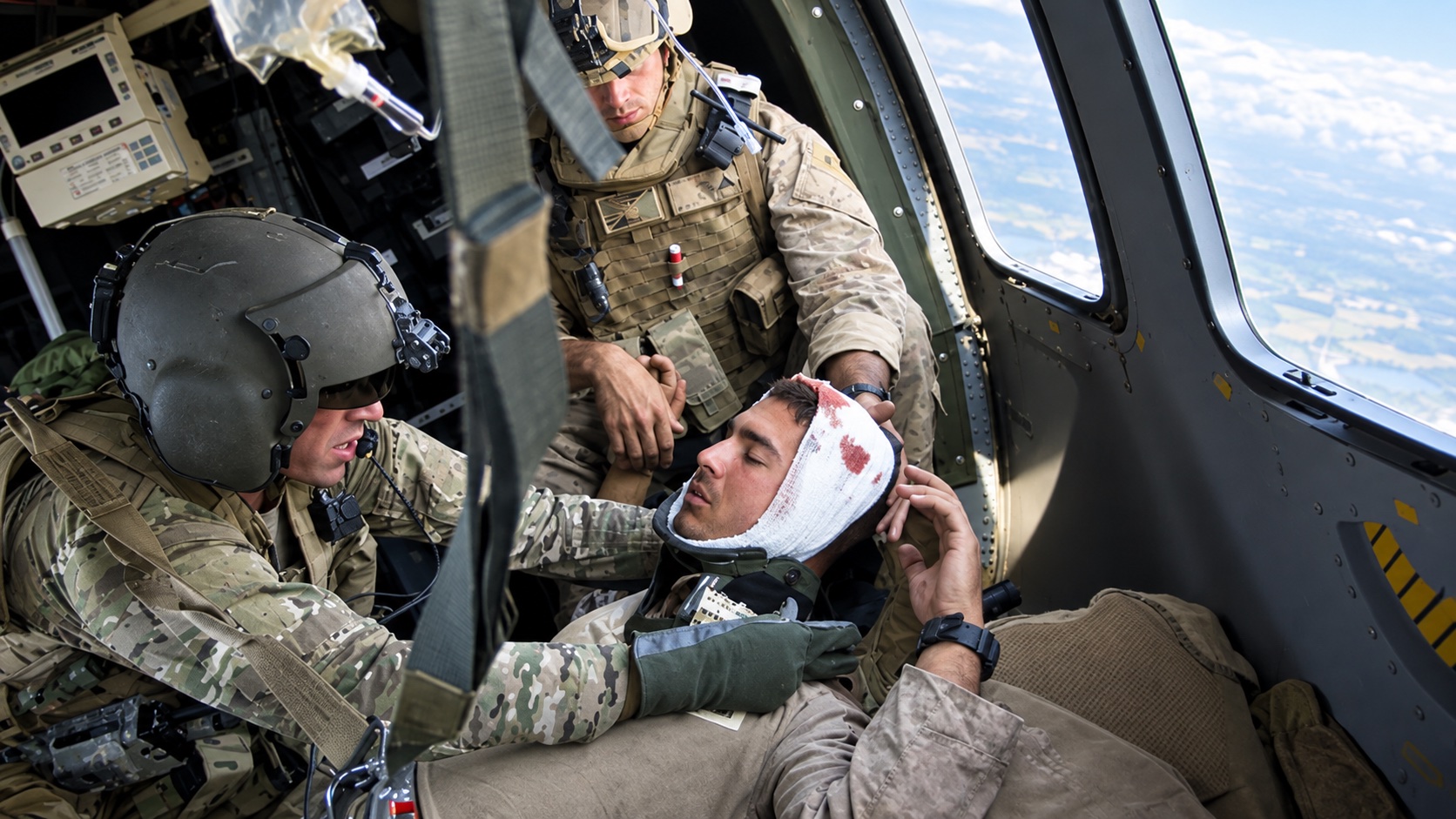
When a veteran returns home with a brain injury, we owe them something more: the commitment to help their injured brain recover. Yet, just as science is giving us new reasons to believe recovery is possible, our nation is dramatically reducing the funding that could make that hope a reality.
New data from the Department of Veterans Affairs show that the number of veterans in VA records who screened positive for traumatic brain injury (TBI), received a TBI-related diagnosis, or filed a disability claim increased 26% between 2021 and 2025. This number represents more than 28,000 additional cases each year.
Brain injury research is vital. Combat-related traumatic brain injuries often leave young veterans with hidden neurological damage that is difficult to diagnose and treat while growing evidence connects these injuries directly to an increased risk of suicide.
Funding, however, is moving in the opposite direction. The Defense Department’s Traumatic Brain Injury and Psychological Health Research Program received $175 million in 2024. That support was eliminated in 2025. While Congress restored the program with $40.5 million in 2026, that amount is still less than one-quarter of its 2024 level. In other words, as the number of veterans with reported brain injuries has surged, funding for this critical research has fallen by roughly 77 percent.
This should trouble every American, especially in light of scientific discoveries that demonstrate the brain’s remarkable capacity to heal. For example, the Army has developed technology capable of detecting brain injury in less than 15 minutes. Faster detection means earlier treatment and better outcomes.
There is also encouraging news regarding neuroplasticity, the brain’s incredible ability to rewire itself. DARPA, the U.S. Defense Advanced Research Projects Agency, has launched a program called SHINE to investigate whether technology can help restore function in damaged neural networks.
At the same time, vastly improved diagnostic tools, advanced imaging, and new rehabilitation practices are showing that healing can occur even years after an injury. These advances challenge the long-held belief that an initial diagnosis determines a person’s long-term future. In addition, studies on hyperbaric oxygen therapy (HBOT) show remarkable progress in treating chronic brain injuries, and adult stem cell trials are proving that damaged brain tissue can be repaired.
These findings highlight an essential truth: scientists are learning how the injured brain can respond to treatment long after the original injury occurred. Patients once thought to have little chance of meaningful recovery have made unexpected improvements years later. For too long, families facing severe brain injuries were left to believe that a doctor’s initial, pessimistic diagnosis was a permanent condition.
Imagine a young service member returning home with a serious brain injury. His family is told he may never wake up, communicate, walk, or return to anything like his former life. What should our response be? Should we assume the worst when medicine does not yet have all the answers? Or should we say, “We do not have all the answers, so we will do everything possible to give you a chance”?
None of this means that every person with a severe brain injury will fully recover. Brain injuries can be devastating, with some damage lasting. But there is a huge difference between saying recovery is difficult and claiming it is impossible.
We owe our veterans every opportunity and resource available. They did not hesitate when our country needed them. They accepted the risks, knowing they could be injured or killed. When they come home with a brain injury, we cannot respond by deciding their condition is hopeless, the questions are too hard, or the research is too expensive. We must invest in the promise that brain research brings and expand access to improved treatments, therapies, and rehabilitation.
While $40.5 million is a start, it remains far from $175 million. The question is not only how much we are spending, but also whether we are investing enough to meet the growing demands of this crisis and act upon these encouraging scientific breakthroughs. Our veterans deserve the very best we can offer and the same determination that we asked of them on the battlefield. This means access to every resource that could change their lives.
We should never tell families that we have reached the end of what medicine can do when brain research is proving how much we still have to learn. Perhaps the greatest advancement will not be a single device, drug, or therapy but the realization that we have underestimated the brain’s capacity to heal. Indeed, the more we learn about the brain, the more we are reminded of how little we know.
Science should keep searching, medicine should continue advancing, and families should never give up hope. Nevertheless, we should not forget that science, medicine, and the gift of human life were not created by us; they are part of God’s creation.
Human knowledge and everything that comes along with learning new ways to heal are graces from our Creator. That is why our hope rests not in science or medicine alone, but also in the One who created it. Because what may appear impossible to us today is never impossible for the ultimate healer, Jesus Christ.
Sign in
Latest
Veterans See 26% Rise in Brain Injuries, But Research Funding Has Been Cut 77%
Posted by Bobby Schindler on September 15, 2026
Research Shows Patients Like Terri Schiavo Can Recover. They Deserve Our Support
Posted by Bobby Schindler on August 11, 2026
JD Vance Got Terri Schiavo Wrong: She Made it Clear All Lives Matter
Posted by Bobby Schindler on July 06, 2026
Terri Schiavo’s Father, Robert Schindler, Never Stopped Fighting to Save Her
Posted by Bobby Schindler on June 17, 2026